

Infant and Toddler Care Programs

Infant and toddler care programs in Macland are built around comfort, connection, and early discovery. Gentle guidance and predictable daily routines help little ones thrive during these important early years.

Home - Our Programs - Toddler Care

Find Infant and Toddler Care That Supports a Strong Start for Your Family

Tour the program, explore the daily rhythm, and discover an environment designed to support both your child and your family.

How Play Supports Early Growth for Infants and Toddlers

pre k enrichment programs

Learning Through Discovery

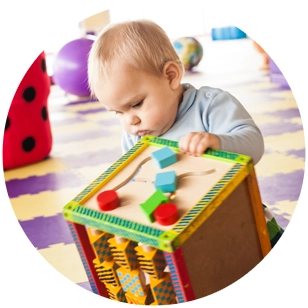
Play gives young children the chance to try, repeat, and explore in ways that feel natural to their stage of development. Through simple moments of discovery, they begin learning patience, persistence, and how to approach new situations with curiosity. These hands-on experiences help children build early problem-solving skills while making everyday learning feel active and meaningful.

pre k enrichment programs

Sensory Exploration and Motor Skills

Simple movements like reaching, grasping, and exploring with hands and fingers help young children build coordination over time. Interacting with different textures, sounds, and shapes invites children to use their senses while strengthening fine motor development. These playful experiences also introduce early cause-and-effect, supporting continued physical and sensory growth.

pre k enrichment programs

Building Independence Through Play

Play encourages independence by giving young children the freedom to make choices and explore at their own pace. Through open-ended activities and self-directed moments of discovery, children gain confidence as they try new things and experience small successes on their own. These early experiences help support decision-making, self-assurance, and a growing sense of autonomy.

What To Look For In Quality Infant and Toddler Care Programs in Macland

A consistent schedule for meals, naps, and play helps children feel secure and lowers stress throughout the day. Smooth transitions from one part of the routine to the next can support emotional well-being and make it easier for little ones to settle in.

Well-maintained classrooms and play areas should encourage exploration while keeping safety at the center of the experience. Thoughtfully arranged spaces help children move comfortably, interact with materials, and engage in hands-on discovery with confidence.

Activities matched to each stage of development can introduce early skills in natural and meaningful ways. Sensory play, music, movement, and simple group experiences help support curiosity while building motor and cognitive growth over time.

Regular updates, photos, and ongoing conversation about routines and milestones help families stay informed and connected. Clear communication builds trust and helps parents feel more involved in their child’s daily experience.

Movement and Physical Growth That Support Early Independence

In the early years, movement plays an important role in how children learn about themselves and the world around them. Crawling, reaching, climbing, and balancing all help build strength, coordination, and body awareness over time. These everyday moments of motion also help little ones grow more confident as they begin doing more on their own and interacting more actively with their surroundings. As physical skills continue to develop, children become more capable of exploring their environment with greater ease and confidence.

Curiosity and Discovery That Build Early Learning Skills

Young children learn best when they are encouraged to explore, observe, and try things for themselves. Simple experiences like sensory play, cause-and-effect activities, and hands-on discovery help support early thinking skills in natural and engaging ways. As children begin noticing patterns, solving simple problems, and responding to the world around them, they are also building the foundation for future learning. A thoughtful program makes space for that curiosity to grow a little more each day. Over time, those small discoveries help children become more attentive, more engaged, and more confident in their learning.

Emotional Security and Daily Support That Encourage Confidence

Children are more likely to explore and engage when they feel safe, supported, and understood. Responsive caregiving helps infants and toddlers feel safe and valued, encouraging them to explore their surroundings with confidence. Gentle interactions, such as soothing voices and consistent routines, build trust and foster a strong emotional foundation. That sense of security can have a lasting impact as children continue building confidence and independence. It also helps create a smoother day-to-day experience for families as children grow more settled in their care environment.

Gallery

Frequently Asked Questions

At what age do infant and toddler care programs start?

Infant care programs often begin as early as six weeks old, while toddler care usually serves children who are becoming more mobile, independent, and active throughout the day. Age groupings can vary by program, so families should ask how classrooms are organized and how transitions happen as children grow.

Parents often look for predictable routines, responsive caregivers, safe sleep practices for infants, clean and well-organized classrooms, and clear communication with families. Strong programs also make space for sensory play, movement, and age-appropriate activities that support early development.

Many programs keep families informed through daily reports, app updates, photos, or direct conversations at drop-off and pick-up. These updates often cover meals, naps, diaper changes, activities, and milestones so parents can stay connected to their child’s day.

Infant care programs should follow safe sleep practices and maintain a calm sleep environment that supports each baby’s routine. In Georgia child care settings, Infants must be placed on their backs to sleep, unless a medical exception has been approved, and licensed programs are expected to follow infant safe sleep requirements.

A typical day often includes meals or bottles, naps, support with diapering or toileting, sensory play, movement, storytime, and quiet moments. The exact schedule can vary by age, but strong routines help children feel more secure and make transitions easier.

Explore Childcare Options in Macland Pointe and Take the Next Step With Confidence

Call Us for more Informations